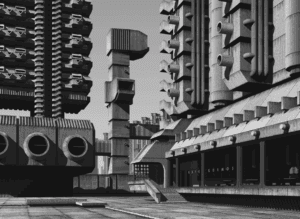
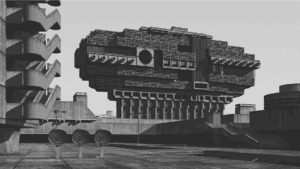
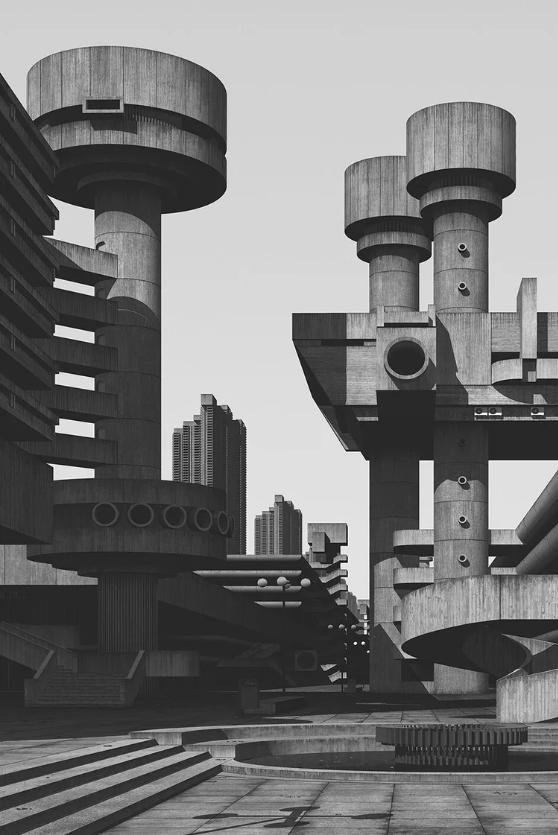
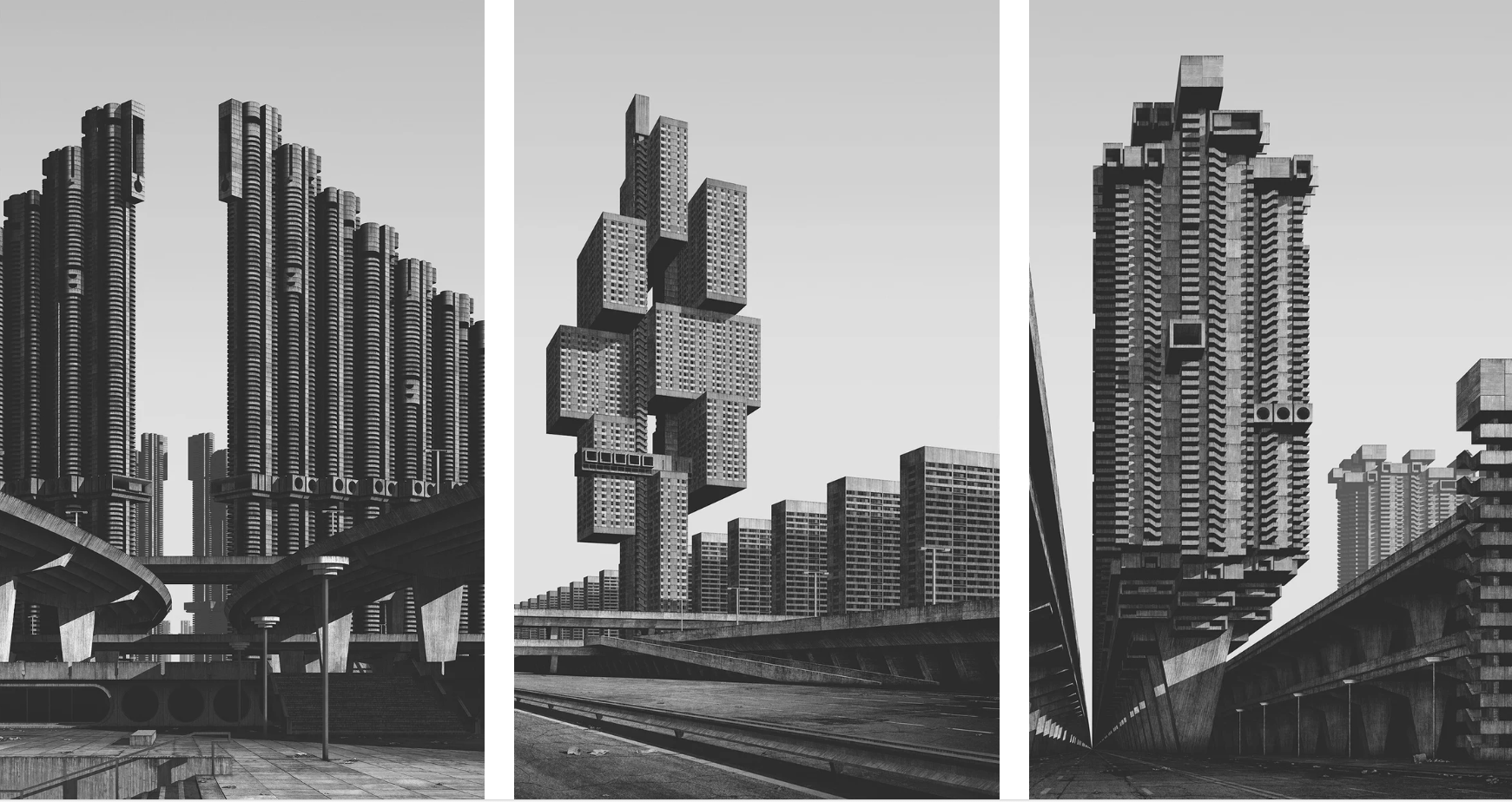
- FUTURE CITY #06 ©CLEMENS GRITL
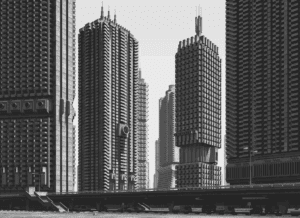
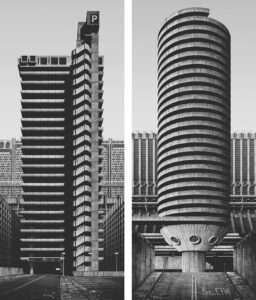
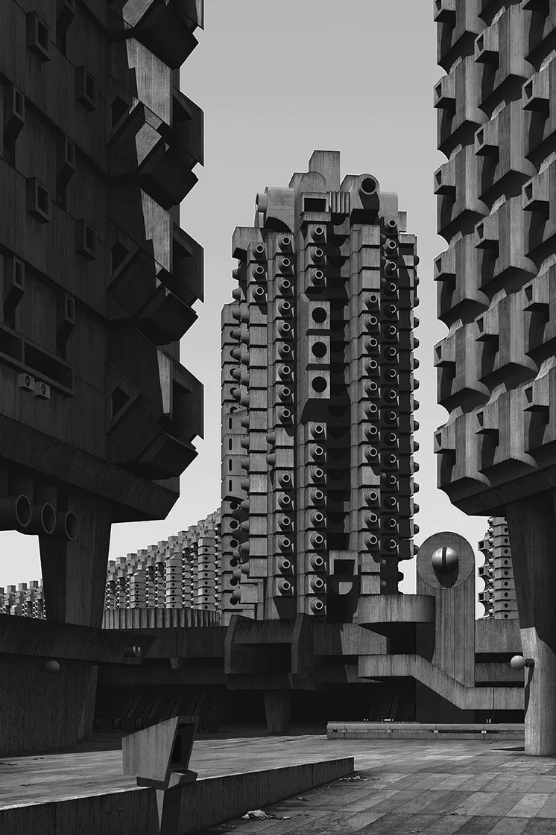
- FUTURE CITY #12 ©CLEMENS GRITL
- CONTACT CLEMENS GRITL TO BUY PRINTS
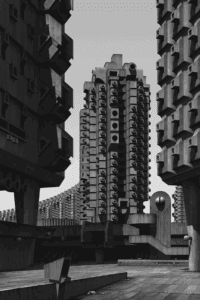
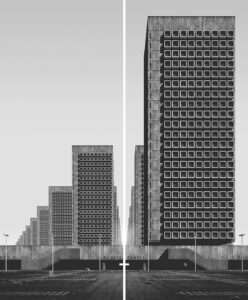
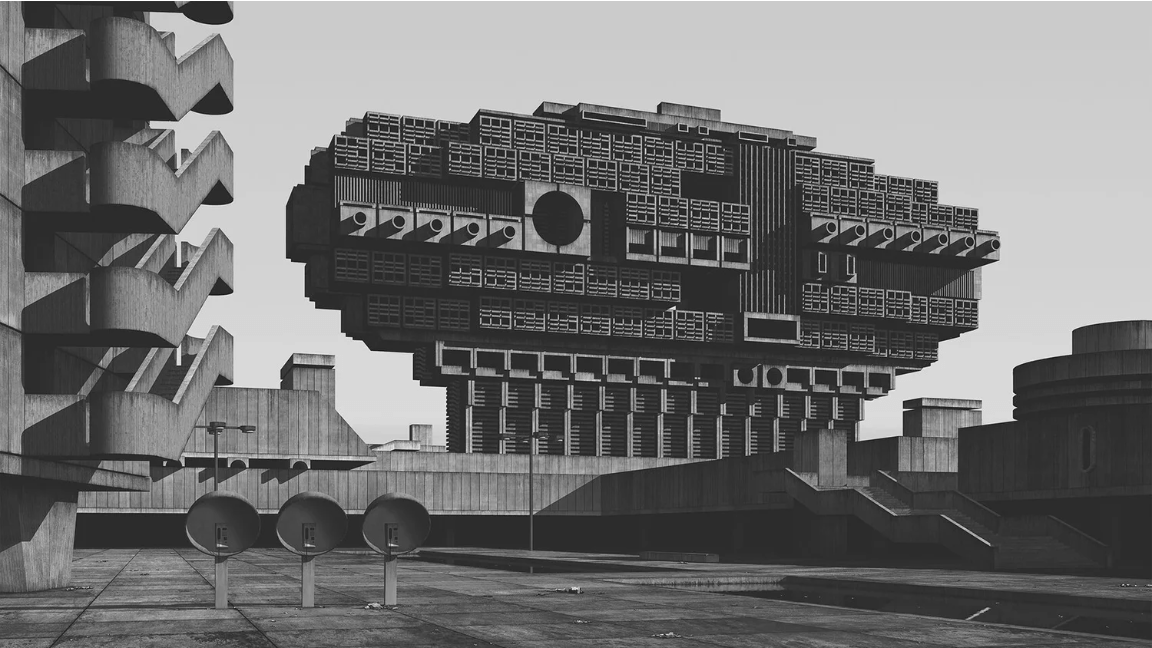
- FUTURE CITY #08 ©CLEMENS GRITL
-
CLEMENS GRITL
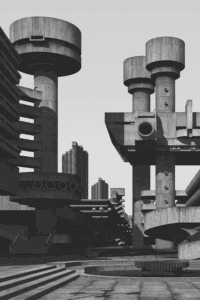
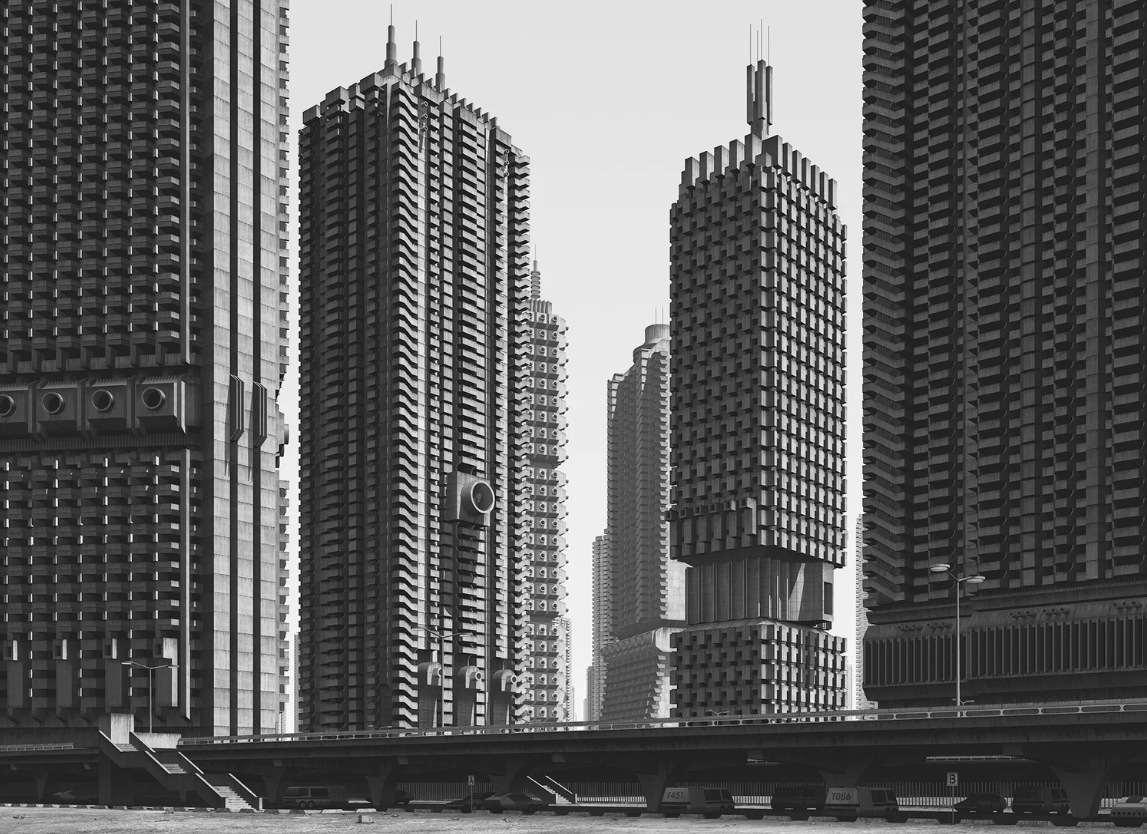
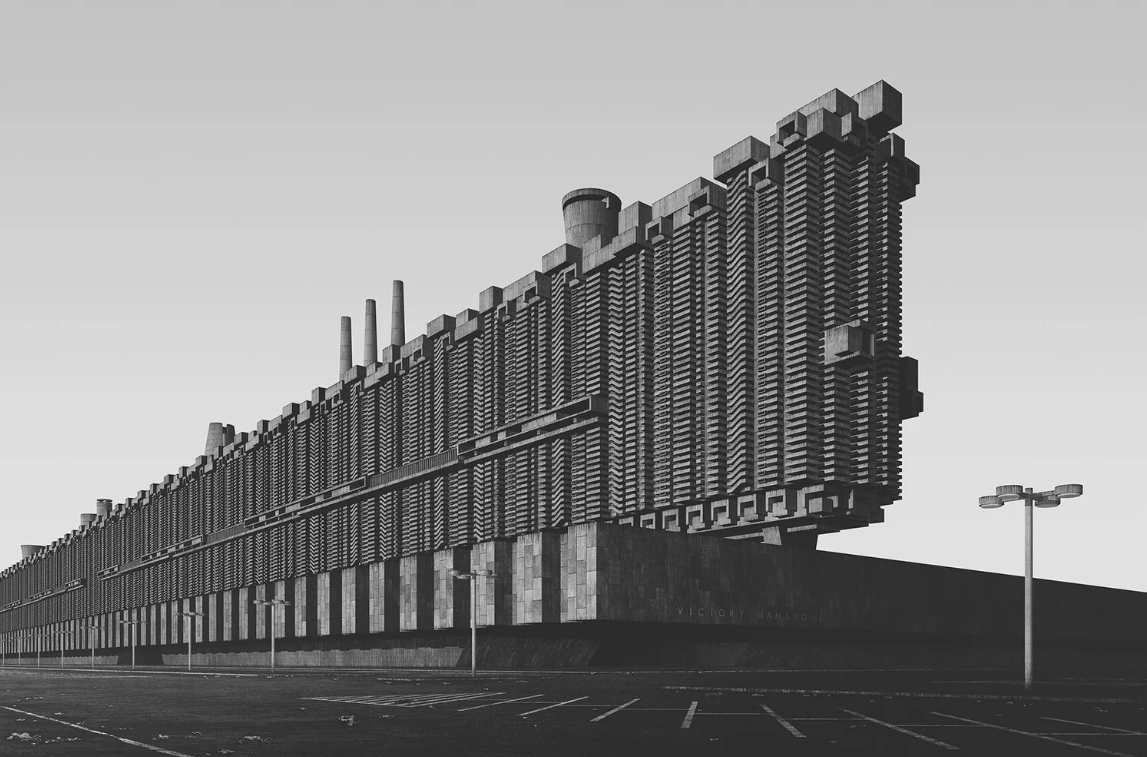
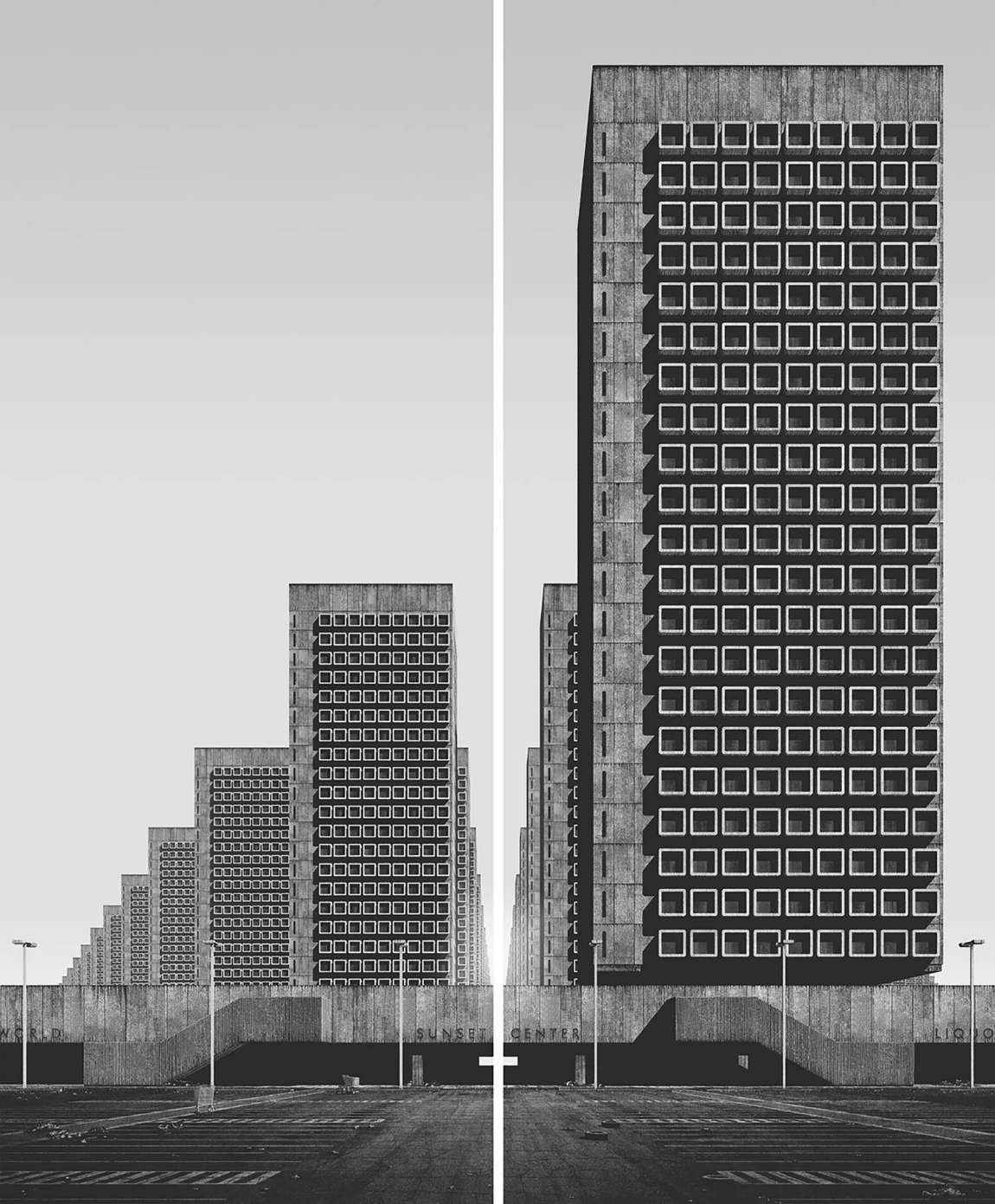
Clemens Gritl focuses on the interaction between space, dimension, scale, monotony and materiality of urban megastructures and their possible impact on human beings.
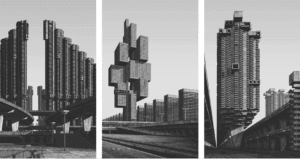
- FUTURE CITY #07 #04 #05 ©CLEMENS GRITL
- FUTURE CITY #11 ©CLEMENS GRITL
- FUTURE CITY #10 ©CLEMENS GRITL
- FUTURE CITY #02 ©CLEMENS GRITL
- FUTURE CITY #09 ©CLEMENS GRITL
- FUTURE CITY #01 #03 ©CLEMENS GRITL
CLEMENS GRITL
Since completing his architectural studies in Munich and Rome, Clemens Gritl has been designing 3D computer models, reflecting and exploring urban utopias of the 20th century.
An urban, scientific research at the Technical University of Munich on mid century, large-scale apartment buildings, led Gritl to gain a deep fascination for such structures. In contrast to contemporary architecture these projects are based on revolutionary social visions.
His work focuses on the interaction between space, dimension, scale, monotony and materiality of urban megastructures and their possible impact on human beings.
The photorealistic presentation is closely aligned with 1960s architecture photography which documents a singular, unbroken optimism and the radical zeitgeist of its era. The choice to create the works in black and white, was one made to ensure the plasticity of brutalist architecture was illustrated in its truest form.
FILM
The film loops show a before/after comparison of Le Corbusier’s project “Plan Voisin” – a radical urban design for Paris from 1925.
The project comprised the vast demolition of huge parts of the city centre north of Notre Dame and Louvre, spanning from Parc Monceau in the west to Place de la République in the east. Instead of narrow streets and the city’s fragmented, additive and varied structure, uniform high-rises at the business districts, big apartment blocks in the residential areas and a motor highway network would dominate the skyline of Paris today.
The rows of giant housing blocks, the Unités, would be surrounded by large parks, the dominant office towers would rise tall behind the trees.
Even though Le Corbusier’s proposal seems completely wrong and devastating from today’s perspective, it has indescribable strength.
The contrast between old and new in scale, design and materiality are disturbing and intriguing at the same time.
by Clemens Gritl with camerawork by Spencer MacDonald