-
Barbican Estate ©George Whale
With its raw, heavily textured and robust aesthetics, the Barbican provided the striking backdrop visuals to the grime artists Skepta’s seminal music video “Shutdown”. The single and music video were both released in 2015 and is considered a “turning point for grime’s visuals and it’s music making their way into the mainstream” which makes the Barbican estate an important part of grime’s cultural heritage.
-
RIBApix Barbican
RIBApix IMAGES, PHOTOGRAPHS AND DRAWINGS OF THE BARBICAN ESTATE
-
Unit 4 Plus 2 MUSIC VIDEO 'CONCRETE AND CLAY'
Unit 4 Plus 2 made their music video 'concrete and clay' in 1965 at the Barbican whilst it was being built.
-
Barbican Vimeo Channel
BARBICAN CENTRE OFFICIAL VIMEO CHANNEL
- Barbican Centre ©URBAN LEARNERS_20
- Barbican Centre ©URBAN LEARNERS_19
- Barbican Centre ©URBAN LEARNERS_25
- Barbican Centre ©URBAN LEARNERS_22
-
Shakespeare Tower ©Carlos Traspaderne
Barbican Estate, London, United Kingdom. Architect Chamberlin, Powell & Bon, 1965-1976
- Barbican Centre ©URBAN LEARNERS_21
-
Barbican Estate ©George Whale
With its raw, heavily textured and robust aesthetics, the Barbican provided the striking backdrop visuals to the grime artists Skepta’s seminal music video “Shutdown”. The single and music video were both released in 2015 and is considered a “turning point for grime’s visuals and it’s music making their way into the mainstream” which makes the Barbican estate an important part of grime’s cultural heritage.
-
THE CONCRETE CENTRE
READ ORIGINAL ARCHIVES FROM THE CONCRETE CENTRE ABOUT THE BARBICAN
- BARBICAN #03 ©Emma-Jane Dawson
-
Barbican Estate ©Rob Clayton
London, Chamberlin, Powell and Bon
- Barbican Centre ©URBAN LEARNERS_15
- Barbican Centre ©URBAN LEARNERS_17
-
BARBICANIA FILM
Barbicania: feature-length film capturing immersion in the life of The Barbican
- Barbican Centre ©URBAN LEARNERS_12
- Barbican Centre ©URBAN LEARNERS_18
-
Barbican Estate ©George Whale
With its raw, heavily textured and robust aesthetics, the Barbican provided the striking backdrop visuals to the grime artists Skepta’s seminal music video “Shutdown”. The single and music video were both released in 2015 and is considered a “turning point for grime’s visuals and it’s music making their way into the mainstream” which makes the Barbican estate an important part of grime’s cultural heritage.
-
BARBICAN CENTRE HISTORIC ENGLAND
THE STORY OF LONDON'S BARBICAN BY HISTORIC ENGLAND
-
WIKIPEDIA BARBICAN CENTRE
READ MORE AT WIKIPEDIA
-
HISTORIC ENGLAND OFFICIAL LISTING
Official listing page for the barbican centre at Historic England
- BARBICAN #02 ©Emma-Jane Dawson
- Barbican Centre ©URBAN LEARNERS_11
-
Barbican Centre YOUTUBE CHANNEL
Barbican Centre OFFICIAL YOUTUBE CHANNEL
-
BARBICAN ARCHIVES
VISIT THE BARBICAN CENTRE'S OWN ARCHIVES
-
TWENTIETH CENTURY SOCIETY _ Barbican Housing
READ ARTICLES ON TWENTIETH CENTURY SOCIETY ARCHIVES
-
THE FULL FRAME
BRUTALIST ARCHITECTURE ON FILM: THE BARBICAN
-
METRONOMY
The spinning camera technique, creates a dynamic portrait of the Barbican's shapes and textures in Metronomy's ‘Month of Sundays’ video, directed by Callum Cooper
- Barbican Centre ©URBAN LEARNERS_13
- BARBICAN #01 ©Emma-Jane Dawson
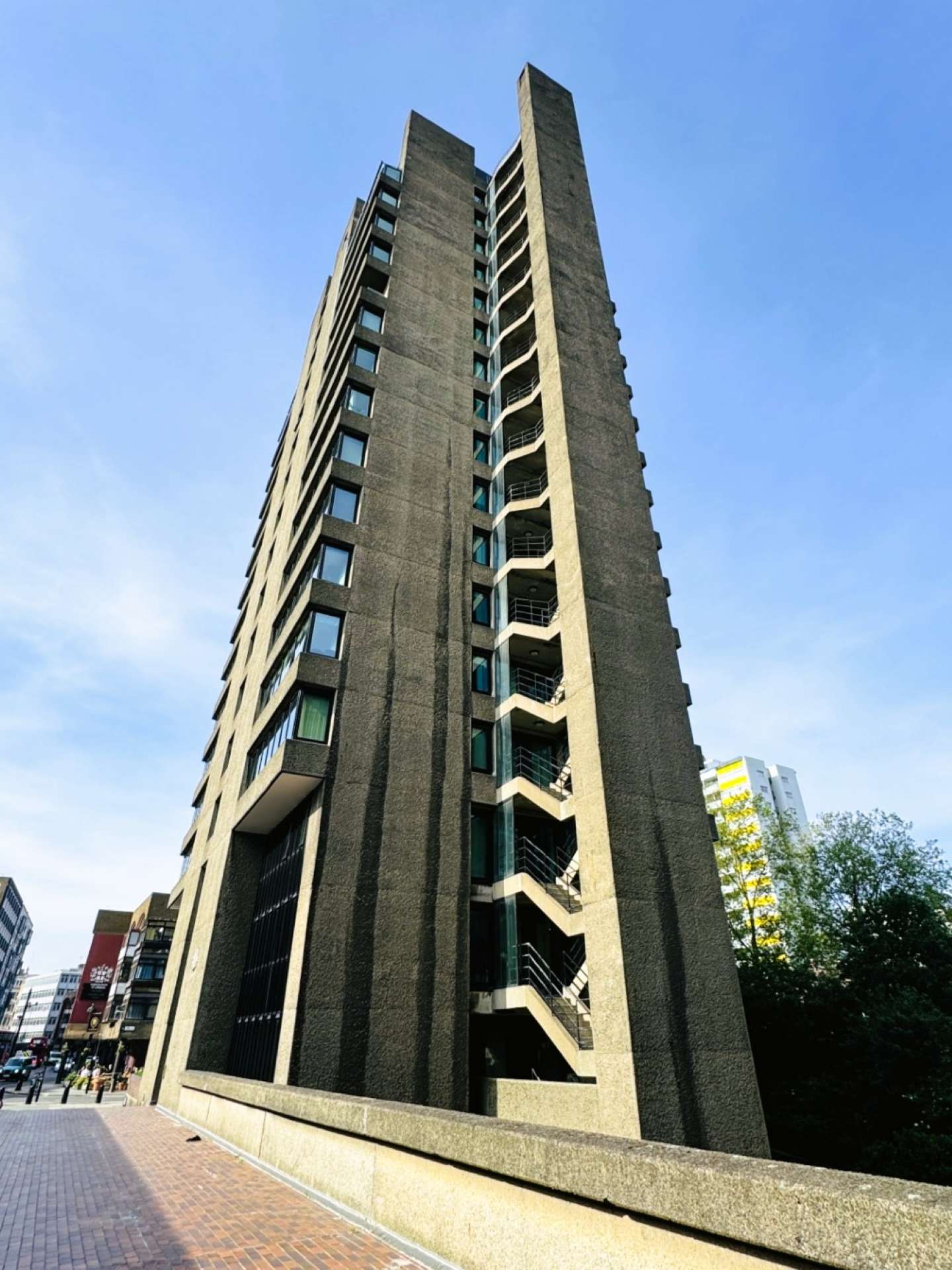
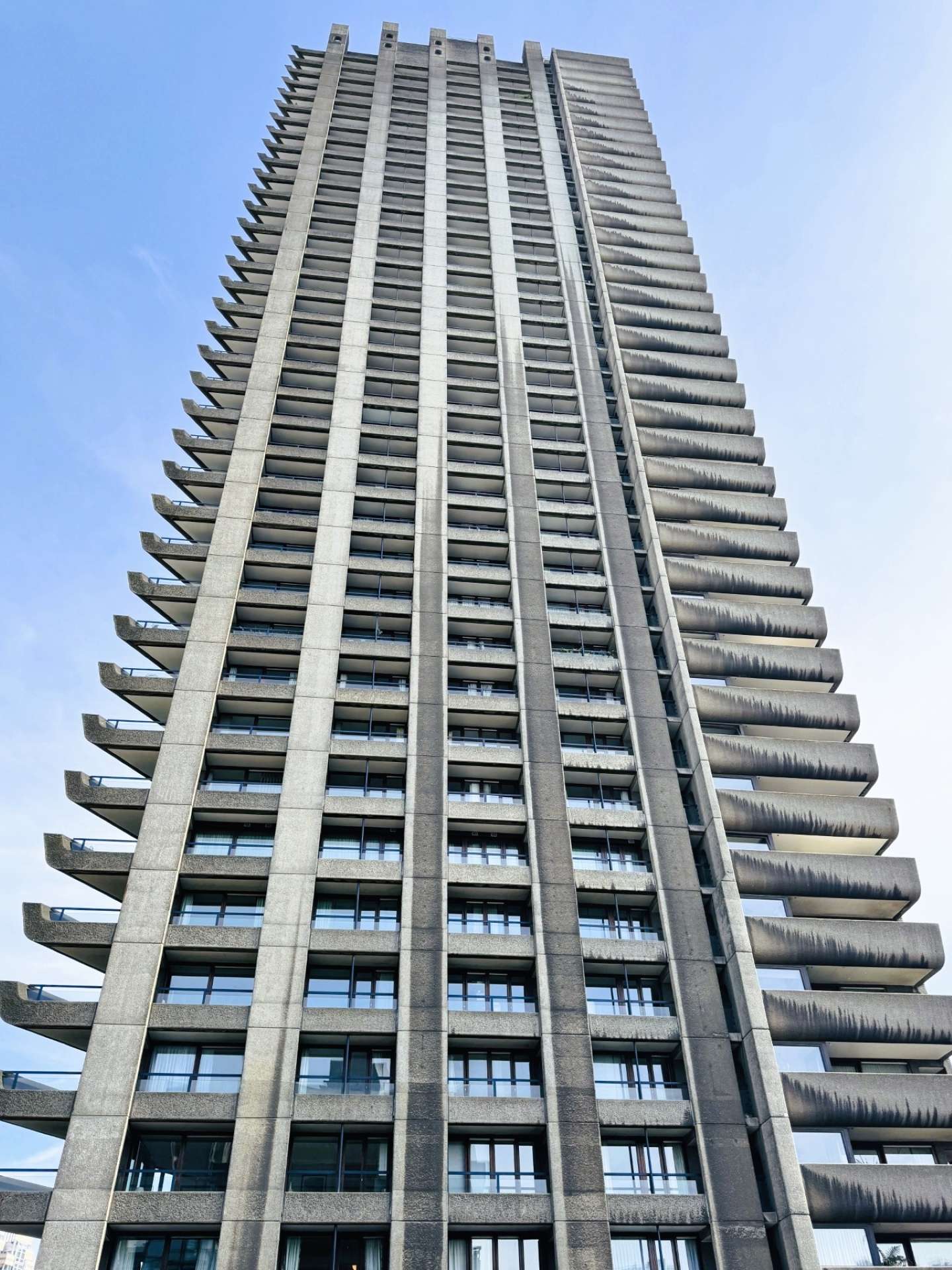
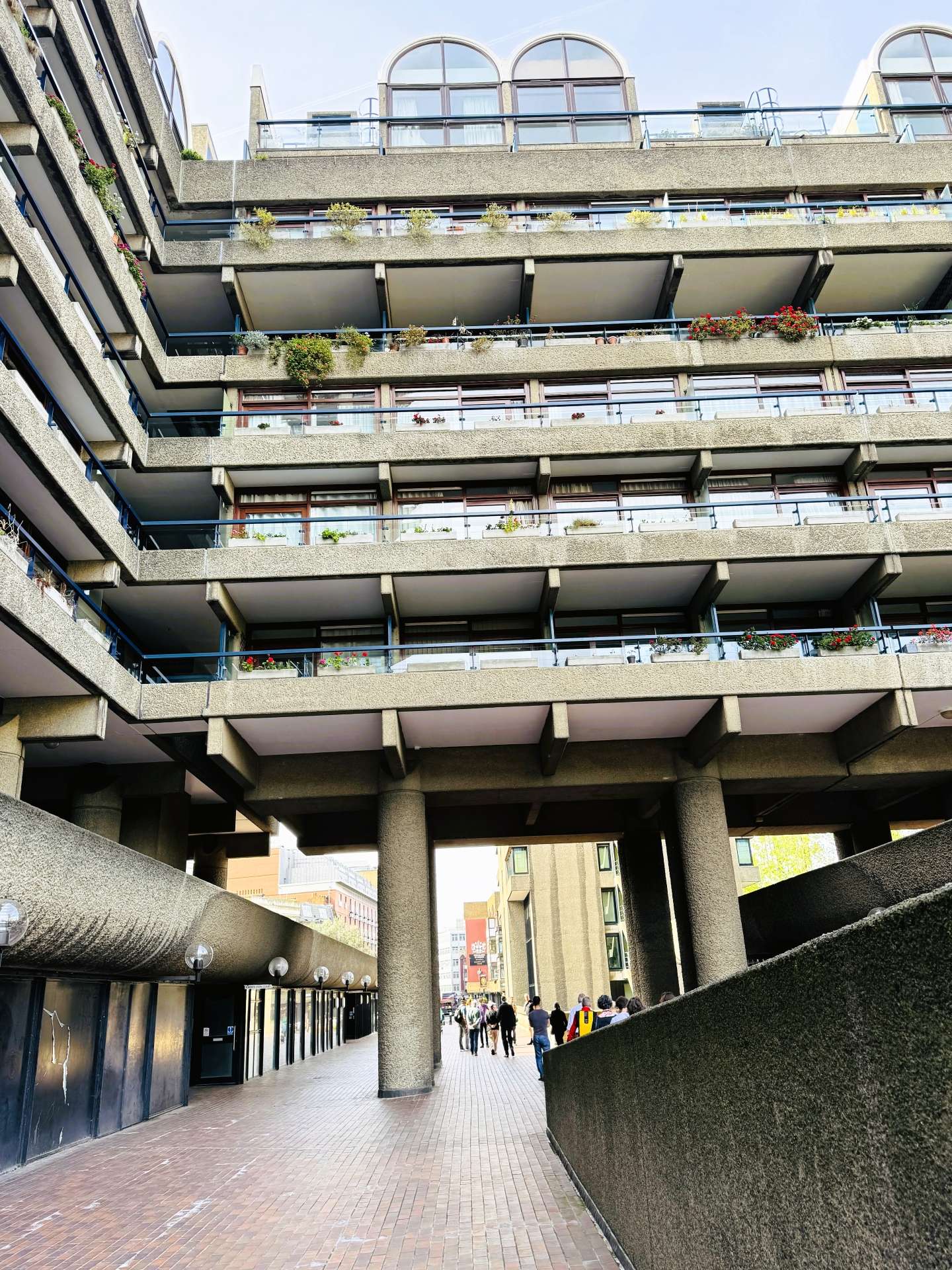
BARBICAN CENTRE
Date (s): 1965-76
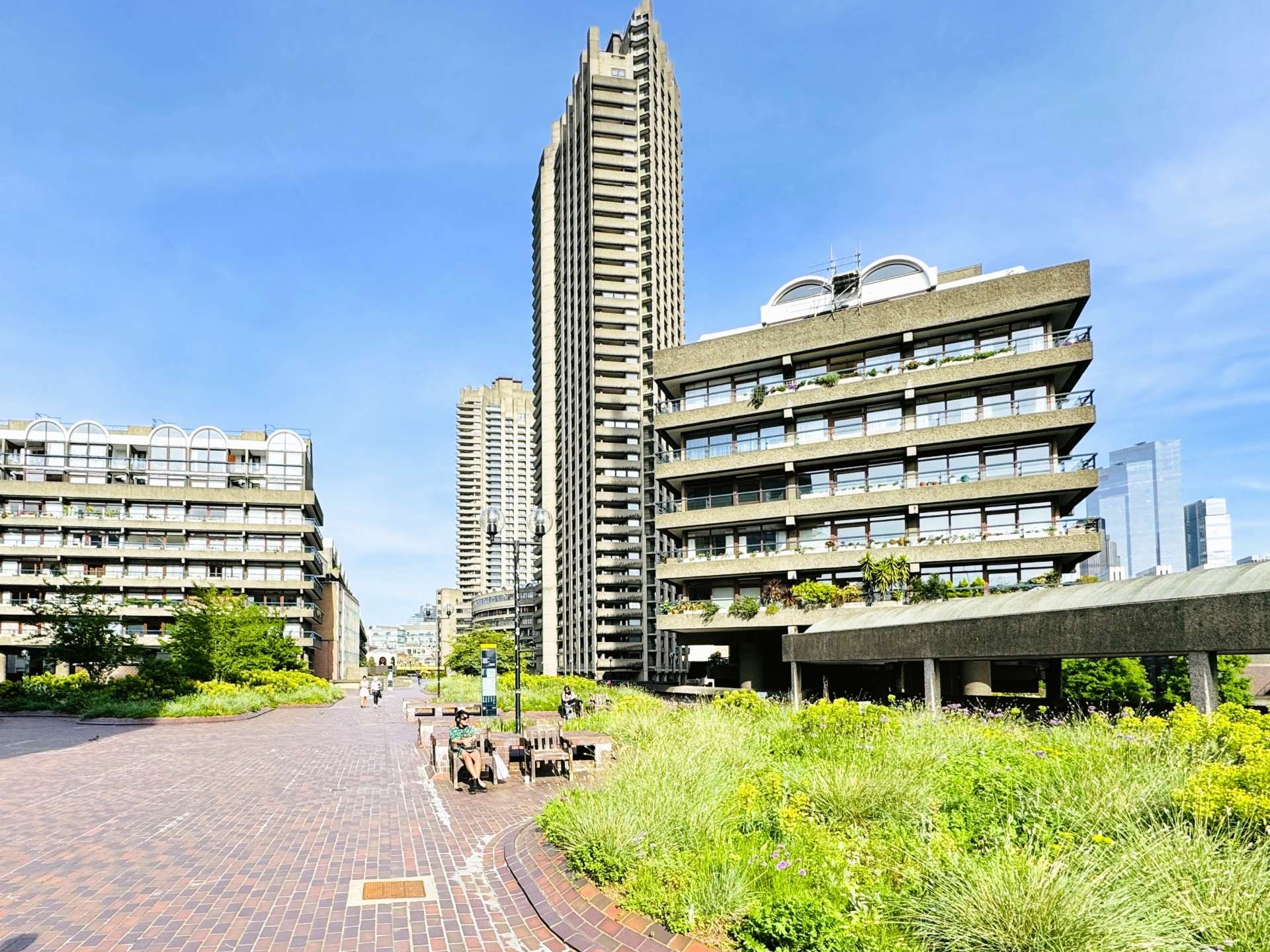
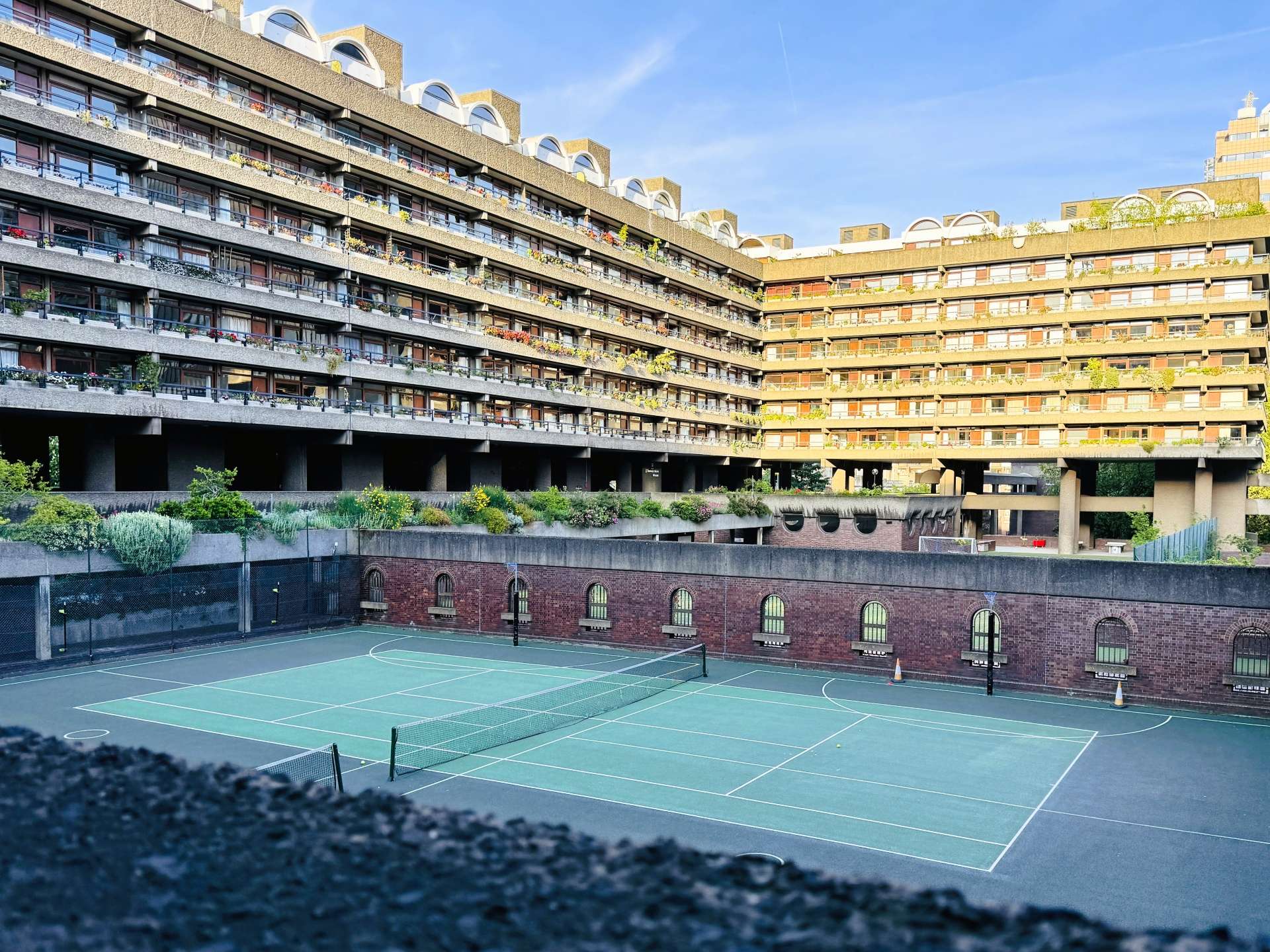
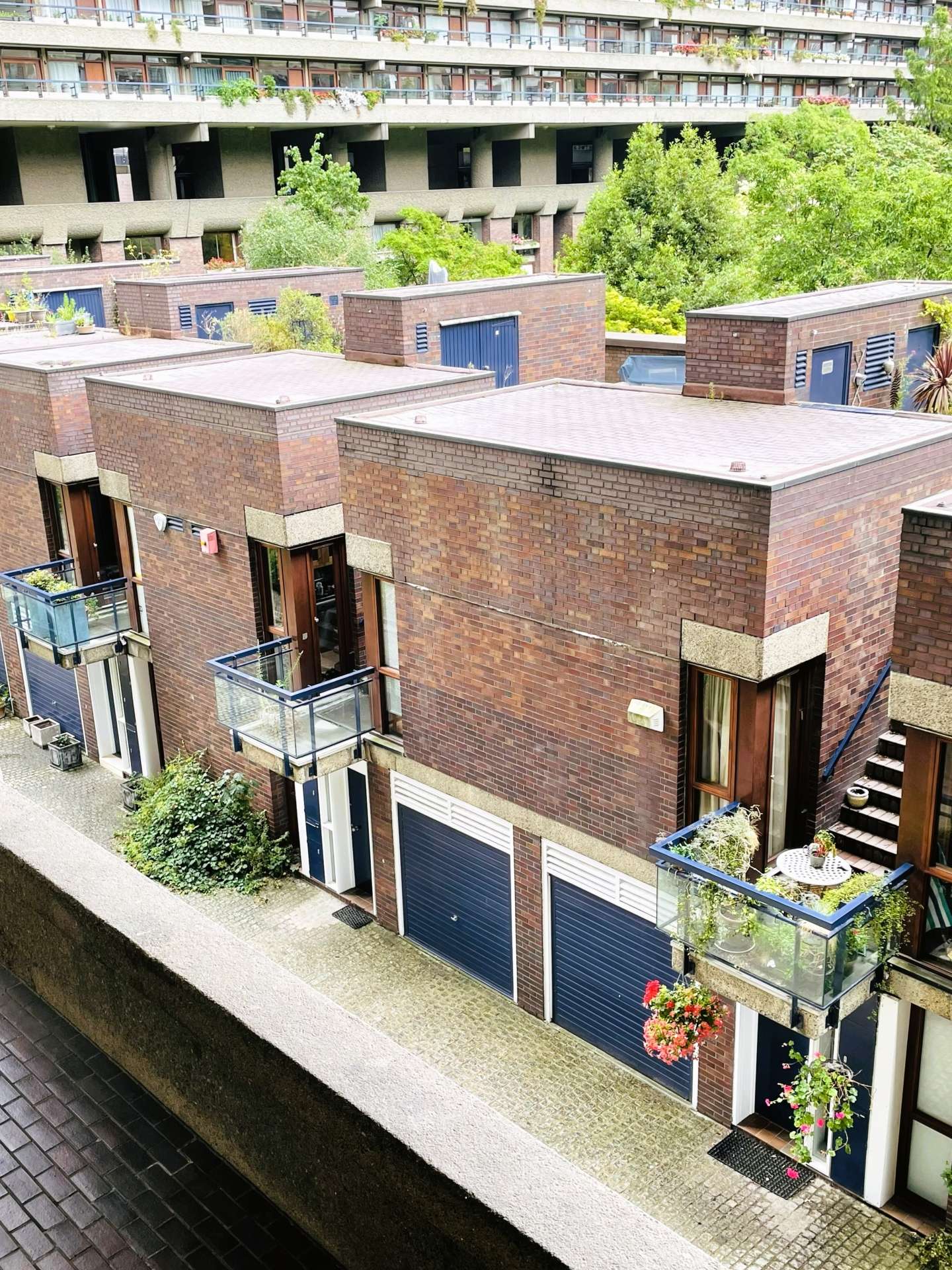
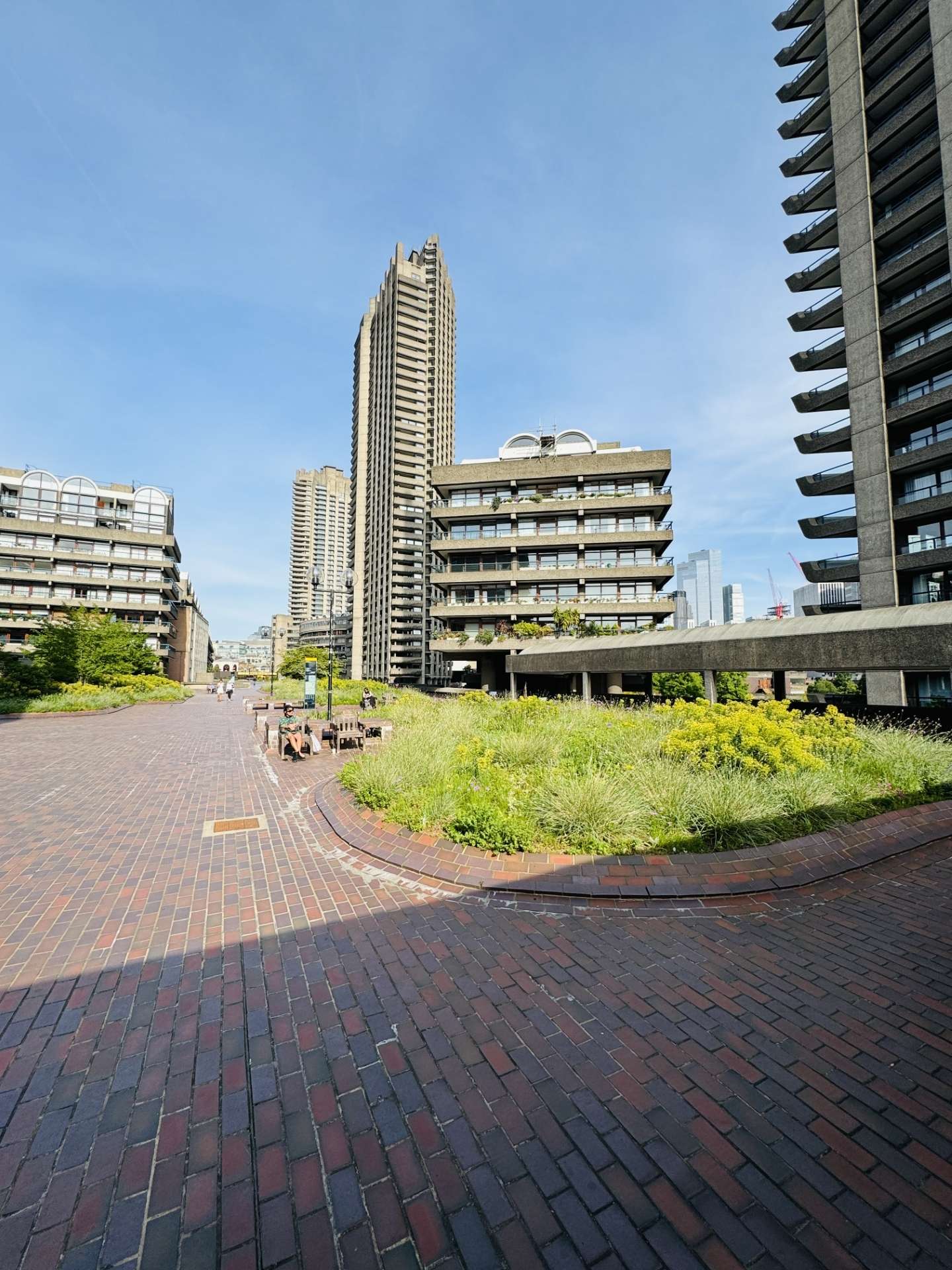
The Barbican Centre, in the City of London, between 1965 and 1976 was designed by architects Chamberlin, Powell and Bon as the cultural heart of the wider Barbican Estate. Conceived as a single, sprawling arts complex housing a concert hall, theatre, cinemas, an art gallery and a public library, it stands as one of Britain’s largest and most ambitious exercises in brutalism, built on a site cleared by wartime bombing.
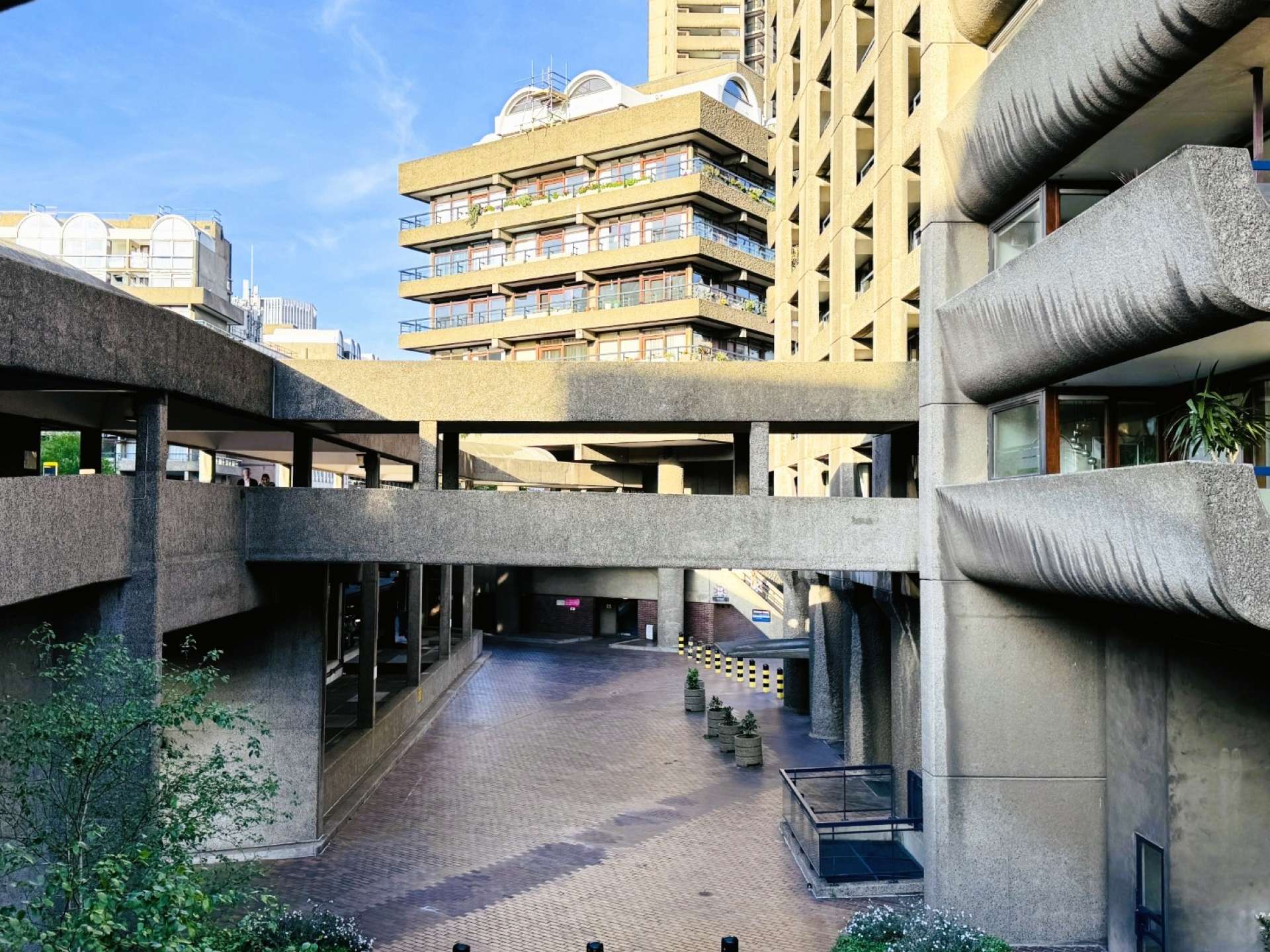
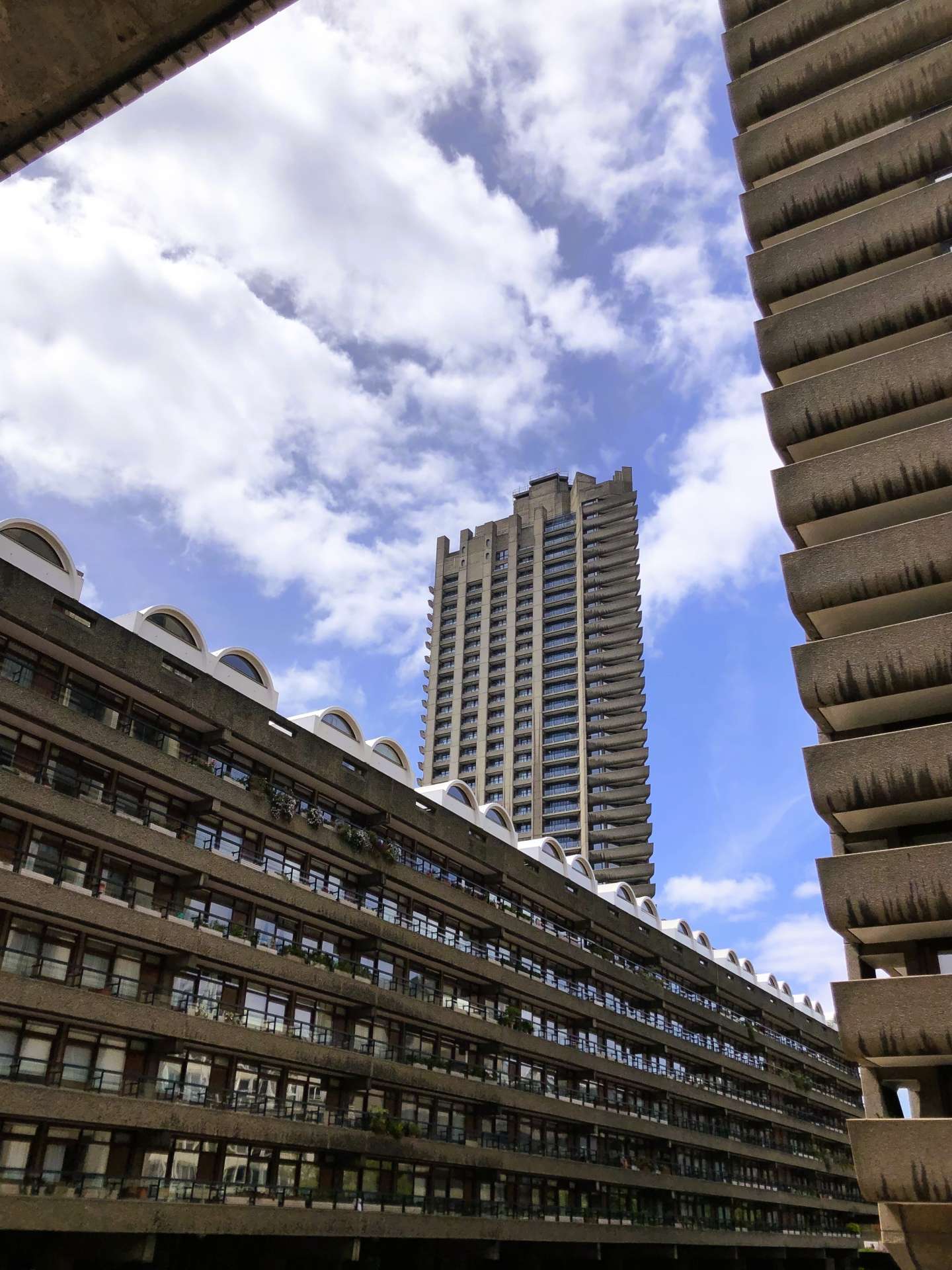
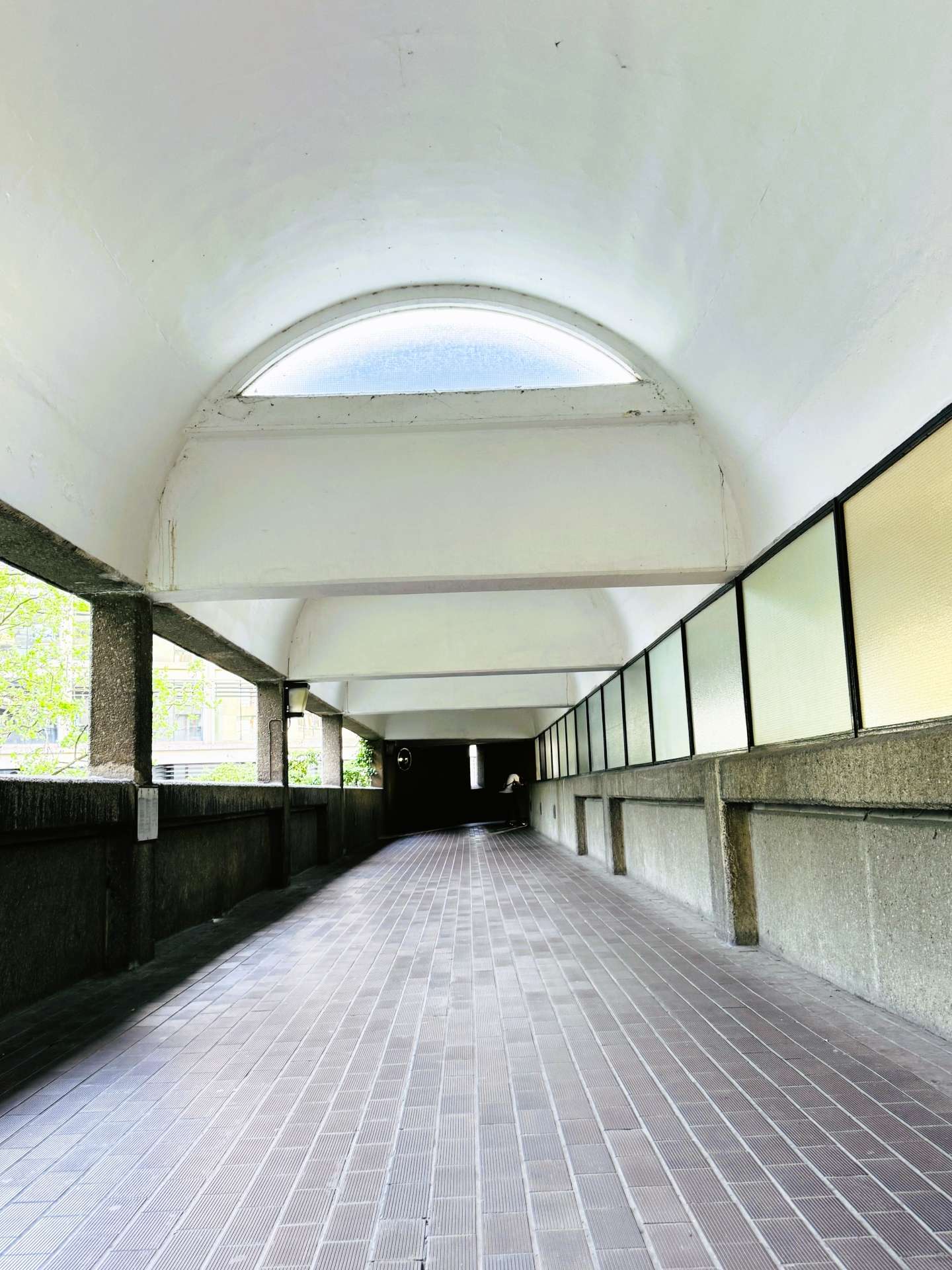
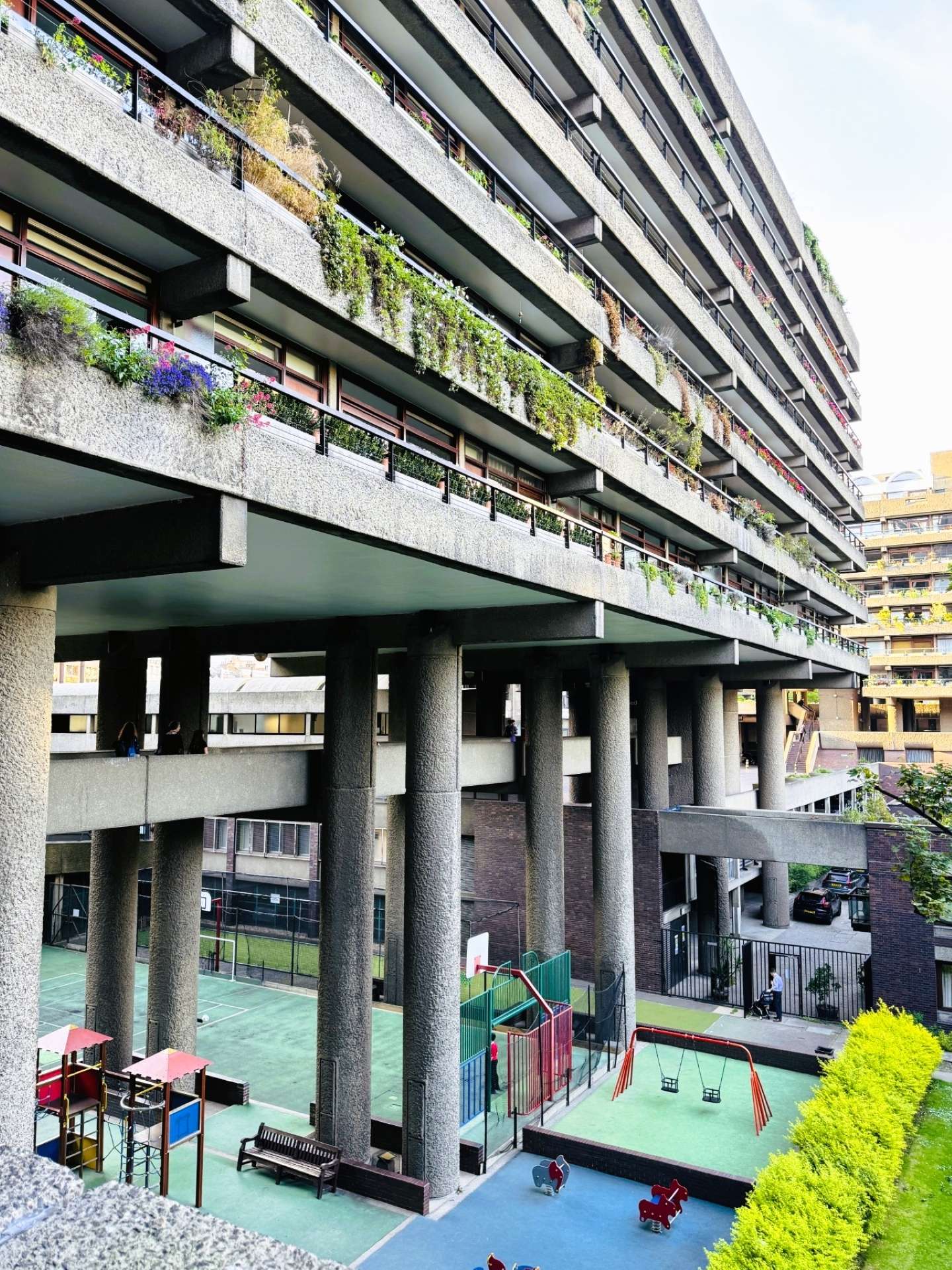
The Centre’s most distinctive brutalist feature is its raw, pick-hammered concrete, hand-worked by masons to a uniform pitted texture that conceals construction joints while giving every surface a tactile, sculptural quality. This labour-intensive finish, combined with the building’s stepped, ziggurat-like massing, expresses brutalism’s insistence on honest, unadorned materials at monumental scale.
Elevated walkways and terraced podiums thread through the complex at multiple levels, linking the arts venues to the residential towers above and creating the dramatic changes of level for which the estate is known; a conservatory and lakeside terrace soften the concrete with planting and water. The building’s notoriously labyrinthine layout, with well over a hundred entrances, has become part of its identity.
Internally, the Barbican Hall and Theatre continue the material language of the exterior, with board-marked concrete and generous foyers that flow into one another. The Centre’s scale and cohesion earned it Grade II listing in 2001, and Queen Elizabeth II, who opened it, famously described the Barbican as “one of the modern wonders of the world”.
Social History and Cultural Significance
Since its opening night, when the London Symphony Orchestra performed under Claudio Abbado, the Barbican has been the LSO’s resident orchestra home, hosting landmark seasons including the sell-out 1985 Mahler and 1986 Bernstein festivals. The Royal Shakespeare Company was resident here from 1982 to 2002 cementing the Centre’s role in British theatre.
The Barbican Art Gallery has staged influential exhibitions, among them 2017’s record-breaking Basquiat: Boom for Real, and the venue’s programming spans contemporary music, jazz and dance alongside classical repertoire, drawing artists and audiences well beyond traditional concert-going circles.
Now hosting over two thousand events a year across music, theatre, film, dance and visual art, the Barbican functions as a genuine cross-disciplinary meeting point, reflecting London’s changing cultural life since the 1980s and remaining, for many Londoners, both a beloved landmark and the subject of enduring architectural debate.
The Barbican Centre Archives
Our archive | Barbican
Twentieth Century Society
https://c20society.org.uk/100-buildings/1974-barbican-housing-london
RIBA PIX
https://www.ribapix.com/search?adv=false&cid=0&mid=0&vid=0&q=barbican&sid=false&isc=true&orderBy=0
Wikipedia
https://en.wikipedia.org/wiki/Barbican_Estate
Historic England
https://historicengland.org.uk/images-books/archive/collections/photographs/building-the-barbican/
The Concrete Centre
https://www.concretecentre.com/getmedia/6f61e179-8ded-48f5-a422-0defb4375c68/CQ_134_Autumn1982.PDF.aspx